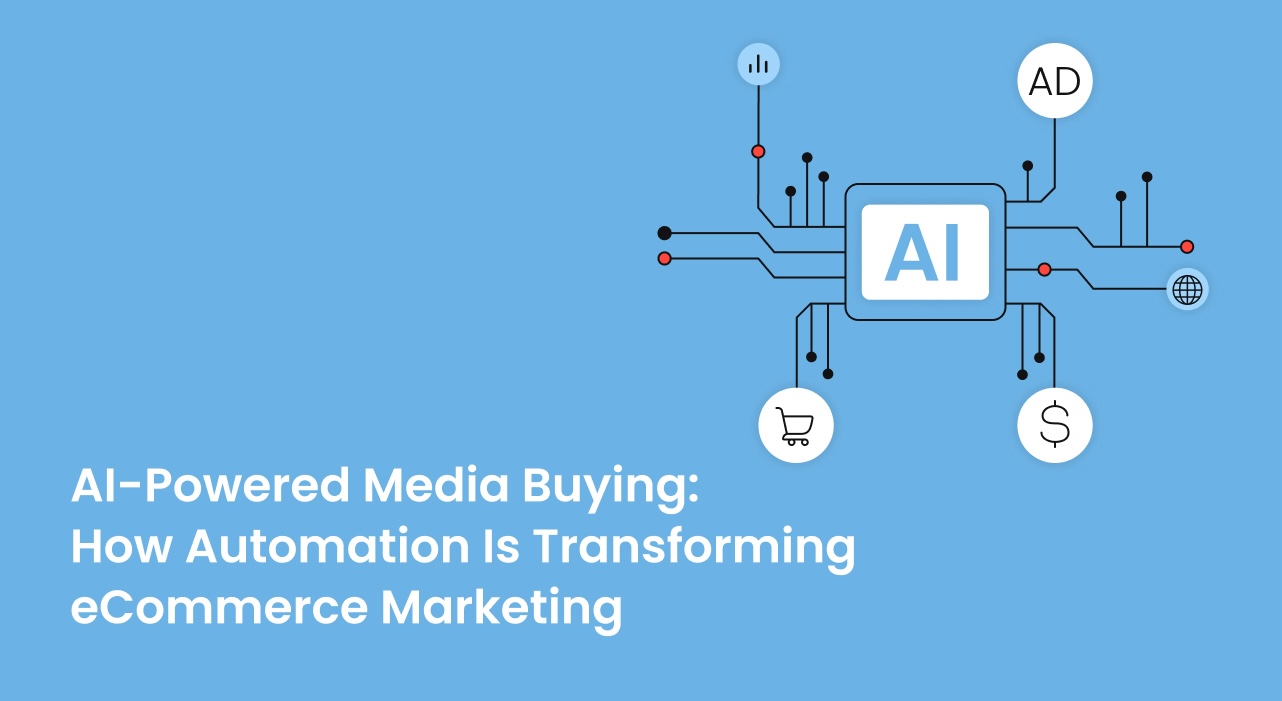

AI agentic shopping agents are the latest evolution in the eCommerce landscape. These autonomous entities actively research, negotiate, and even execute transactions for consumers.
For ad buyers, this transformation demands a departure from traditional "scroll-and-click" strategies in favor of a data-first approach that prioritizes algorithmic influence.
From Human Browsing to Algorithmic Precision
Instead of users scrolling through endless product pages to find deals that catch their eye, a significant portion of the purchasing journey is now handled by agents that prioritize logic, structured data, and objective value over emotional triggers or flashy aesthetics.
And when your primary audience is a machine acting on behalf of a human, your approach needs to change accordingly.
3 Core Strategies for the Agentic Shopping Era
To maintain a competitive edge in the agentic shopping era, ad buyers should focus on these three pillars:
1. Semantic Precision over Keyword Matching
AI agents interpret intent rather than simple strings of text. Your product data and ad copy must be semantically rich and exhaustive.
Instead of targeting "wireless headphones," optimize for a specific use case: "noise-canceling over-ear headphones with 40-hour battery life and multi-device pairing." Detailed technical specs are now more likely to bring users in than marketing copy.
2. The Dominance of Structured Data
Your product feeds in databases like Google Merchant Center or Amazon Brand Registry are shopping agents' primary sources of truth. Ensure your feeds are meticulous, updated in real time, and filled with every possible attribute.
If an agent can't parse your shipping speed, return policy, or material composition through a feed, it will likely recommend a competitor whose data is more accessible.
3. Reputation as a Quantitative Metric
Agents use social proof as a core filter for decision-making. High-volume, high-quality review data across multiple platforms acts as a trust signal that an agent can quantify.
Ad buyers must treat review management as a core component of their performance strategy, as a "4.8-star" rating is a data point an agent can instantly compare against your rivals.
Pricing Transparency and API Integration as Differentiators
Hidden fees or complex checkout processes can become significant barriers for shopping agents designed to maximize value. Transparent, competitive pricing is the most direct way to win an agent’s recommendation.
Further, as the ecosystem matures, direct API integrations will allow agents to bypass traditional storefronts entirely. Ensuring your backend can communicate directly with these assistants will be the ultimate differentiator.
The rise of agentic commerce is a transition toward a more intelligent, data-centric marketplace. Ad buyers who prioritize technical accuracy and semantic clarity will have an advantage in this new landscape by turning storefronts optimized for autonomous shopping into a competitive edge.
Join AdLeaks today for exclusive eCommerce and ad buying tips!





Related Posts: