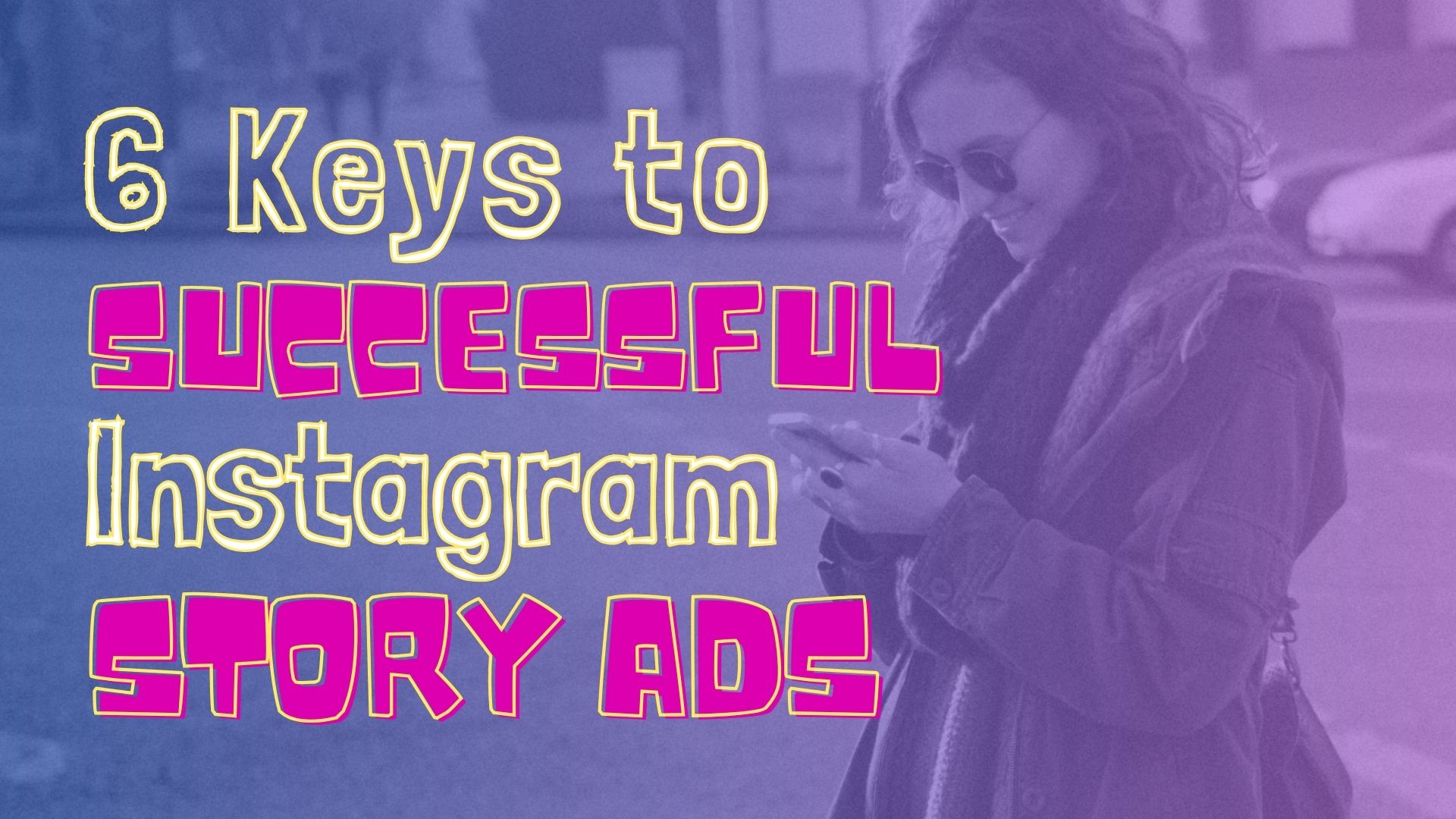
Instagram Stories’ full-screen, highly immersive format is one of the most effective conversion engines available today. These high-impact and immediate touchpoints can perform well for ad buyers with the right approach.
6 Keys to Better Story Ads
1. Dial in Your First Three Seconds
The first three seconds — “the hook” — is your make-or-break moment. Users are already tapping through, so create ads with immediate motion and visual contrast, and front-load value to stop the scroll.
- Avoid static images as the first frame. Use fast motion, a quick zoom-in, or a sudden scene change. The brain notices movement first.
- Use bright, high-contrast colors that stand out against Instagram's typically subdued visuals. Think neon text, bold product shots, or shocking close-ups.
- If your offer is a flash sale (“50% OFF”) or a pain-point solution (“Tired of Wasting Time?”), it must be visually present in the first two seconds. Don't wait for the reveal.
2. Internalize the “Swipe-or-Skip” Mentality
The Stories environment is inherently impatient. Users are tapping quickly, but you can use a combination of native aesthetics, user-generated content, and sound-off optimization to maximize engagement.
- Highly polished, traditional commercial production often fails here. Stories reward content that looks like it was created by a friend, not a major studio. Use a UGC style — quick cuts, mobile-first filming (vertical 9:16), and relatable text overlays.
- A significant portion of the audience views Stories with the sound muted. Closed captions and bold, high-contrast text overlays are non-negotiable for conveying your key message.
3. Master the Sound-Off Scenario
Let’s zoom in on sound design.
First, assume your audience is watching silently — they could be in a public place, cooking dinner, or scrolling in bed. To keep your message from getting lost, you’ll need to caption every word, replace audio cues with visuals, and use music as a supportive element, not a primary one.
- Every voiceover or piece of dialogue must have clear, easy-to-read closed captions. Tools that auto-generate animated, large captions perform exceptionally well.
- Use visual highlights (circles, arrows, quick text emphasis) to guide viewers’ eyes to the most important features or text that the audio would otherwise emphasize.
- If you do use music, ensure it sets the right mood or pace, but never rely on it to carry the information necessary for conversion.
4. Design for Vertical, Mobile-First Viewing
Visual design goes beyond just the 9:16 aspect ratio. You’ll need to make the most of the space available to you by using text overlays while also keeping the composition clean and avoiding “dead zones.”
- Never place crucial text, logos, or CTAs too close to the very top (where the profile icon/exit button is) or the very bottom (where the “Swipe Up” or “Shop Now” button appears). Keep these areas clear in your layouts.
- Use Instagram’s native font styles, stickers, and emojis where appropriate to mimic organic content. This increases the sense of authenticity.
- Almost all Story ads appear on relatively small smartphone screens, so use tight framing, focus on one subject (the product or the person), and avoid busy or distracting backgrounds.
5. Maximize Interactive Elements
Story ads are built for immediate action and interaction, making them ideal for mid- and low-funnel objectives (Consideration and Conversion).
- Clarity in CTA: Make the call-to-action brutally clear. Use large, legible text (outside of the top/bottom "safe zones" where the profile pic and CTA button live) that directs the user: "Tap to Shop," "Swipe Up for 50% Off," or "Learn More Now."
- Use the Carousel: Don't limit yourself to one 15-second clip. Utilize the carousel format (up to 10 cards) to tell a sequential story: Problem > Solution (Product Demo) > Offer > CTA. This maintains attention while delivering maximum information.
6. Optimize the Call to Action (CTA)
Story Ads have a high floor for immediate interaction. Capitalize on it.
- When you use the card carousel feature, focus on generating interest with the first few cards and save the final card entirely for the CTA. Lean into the sense of urgency with text like “Last Chance!” or “Sale Ends Today!”
- A finger or hand pointing to the bottom of the screen, where the Swipe Up or Tap button is located, has proven highly effective at driving action. This is a common and powerful element in UGC-style creative.
Remember, the Stories environment is fast-paced and highly personal. Treat your Story Ad like a 15-second interruptive text message from a friend, not a commercial, and your ads will be primed for success.





Related Posts: